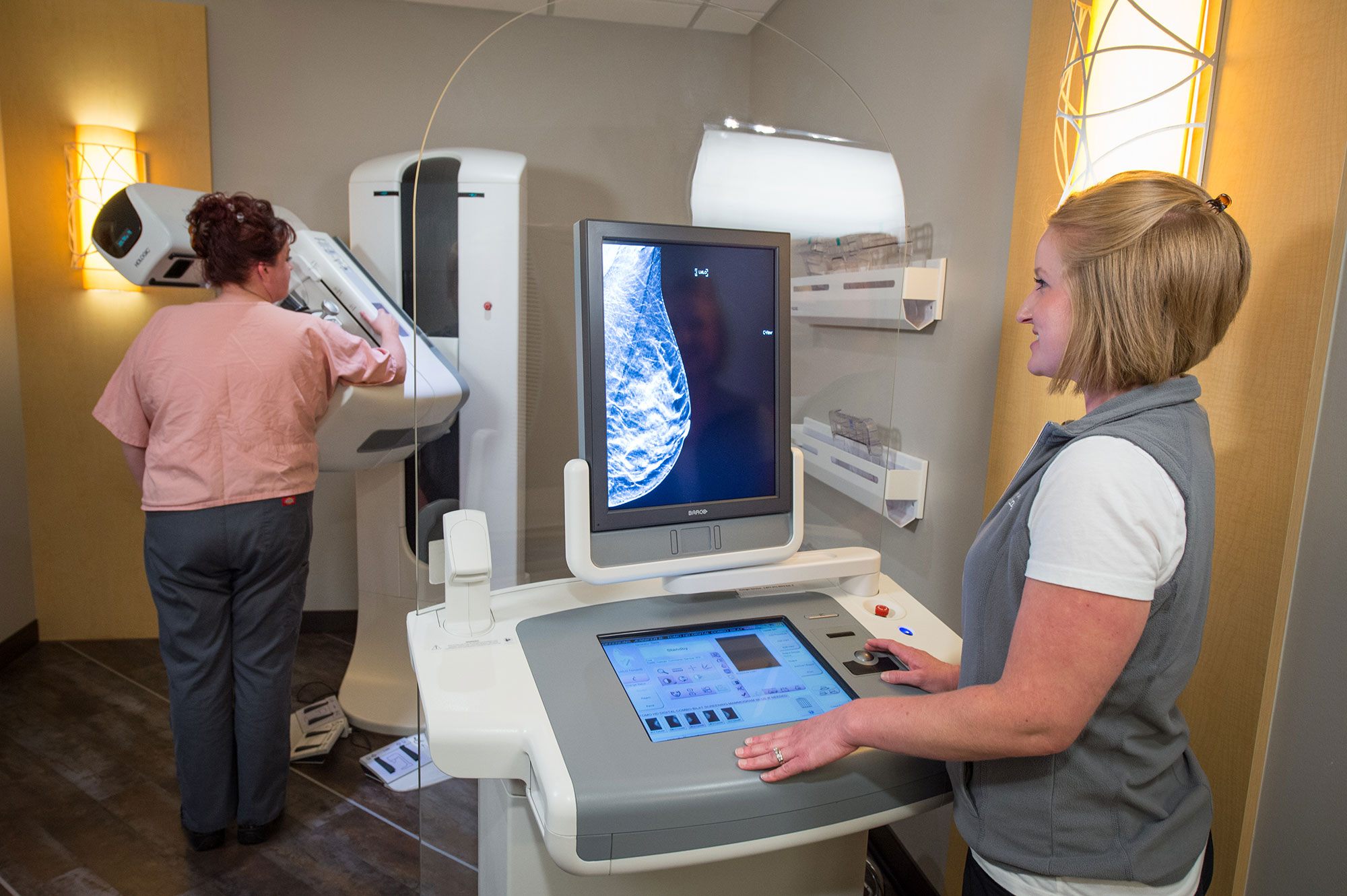
Breast cancer remains a critical health challenge worldwide, with early detection being the cornerstone of effective treatment and improved survival rates. Imaging centers specializing in breast cancer play an essential role in identifying the disease at its earliest stages. By leveraging advanced technology and expert analysis, these centers provide accurate diagnoses and support patients in seeking timely intervention. This article delves into the significance of early detection and the pivotal role that breast cancer imaging centers play in patient care.
The Importance of Early Detection
Early detection of breast cancer significantly increases the chances of successful treatment. When identified early, the cancer is often confined to the breast and can be treated with less aggressive measures. Key benefits of early detection include:
- Higher survival rates due to timely intervention.
- Reduced need for extensive surgery and chemotherapy.
- Improved quality of life for patients.
For more detailed insights into early detection strategies, discover expert strategies here.
Advanced Imaging Techniques
Imaging centers utilize a range of advanced techniques to detect breast cancer. These include:
Mammography
Mammography is the most common screening tool for breast cancer. It uses low-dose X-rays to examine breast tissue for any suspicious areas. Regular mammograms are recommended for women over 40, as they can detect tumors too small to be felt.
Ultrasound
Ultrasound is often used as a supplementary tool to mammography, especially in women with dense breast tissue. It helps differentiate between solid masses and fluid-filled cysts.
Magnetic Resonance Imaging (MRI)
MRI provides detailed images of breast tissue and is particularly useful for women at high risk of breast cancer. It is also used to assess the extent of cancer after a diagnosis.
For a comprehensive overview of these imaging techniques, explore advanced guides and tips.
The Role of Imaging Centers
Imaging centers dedicated to breast cancer are equipped with state-of-the-art technology and staffed by experienced radiologists who specialize in breast imaging. Their role includes:
- Conducting routine screenings and diagnostic evaluations.
- Providing expert analysis and interpretation of imaging results.
- Offering consultation and guidance on the next steps following a diagnosis.
To learn more about how imaging centers support early detection, find out more about this approach.
Patient-Centered Care
Breast cancer imaging centers strive to provide patient-centered care by:
- Ensuring a comfortable and supportive environment for patients.
- Offering personalized care plans based on individual risk factors and needs.
- Engaging in continuous communication to keep patients informed about their health status.
For insights into how imaging centers tailor their services to patient needs, learn about our tailored solutions.
Conclusion
The power of early detection through specialized breast cancer imaging centers cannot be overstated. With the right technology and expertise, these centers provide critical services that can save lives by identifying cancer in its nascent stages. For individuals, regular screenings and consultations with experts are vital components of a proactive health strategy. By understanding the tools and support available, patients can make informed decisions about their health and contribute to more positive outcomes in the fight against breast cancer.