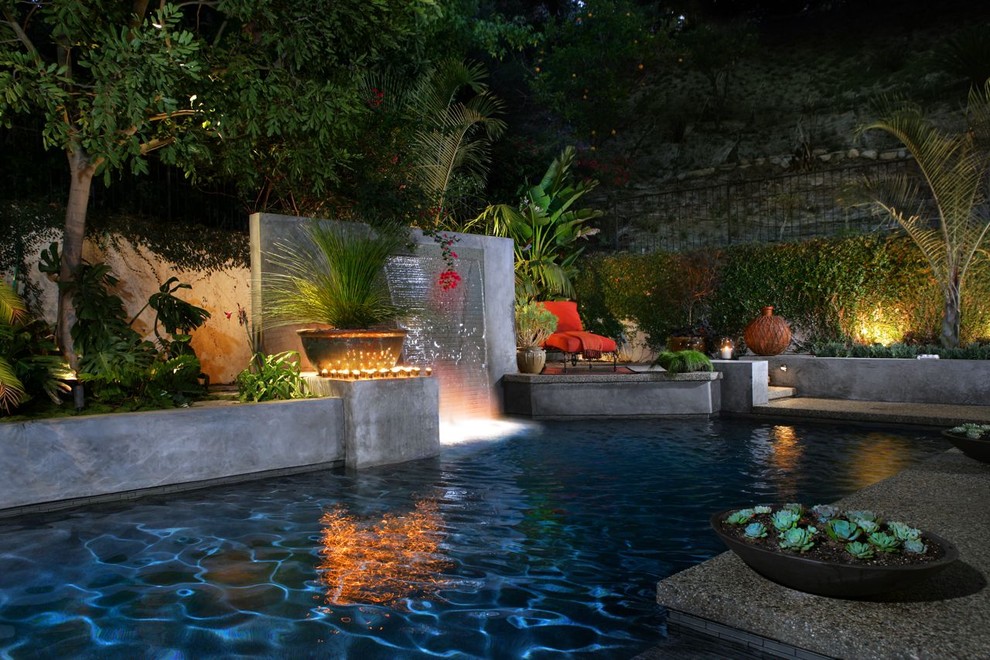
Incorporating a water feature into your property can transform an ordinary space into a serene oasis. Whether it’s a small fountain or an elaborate waterfall, a custom water feature can enhance the aesthetic appeal and value of your property. Designing such a feature requires careful planning and consideration of various factors to ensure it complements your landscape while providing a peaceful retreat.
Assessing Your Space
Before diving into the design process, it’s essential to evaluate the available space and its surroundings. This will help in determining the size, shape, and type of water feature that is most suitable for your property.
- Measure the area where you intend to place the water feature.
- Consider the existing landscape and how the feature will integrate with it.
- Identify any potential obstacles such as trees or underground utilities.
Choosing the Right Type of Water Feature
There are numerous types of water features to choose from, each offering unique benefits. The decision should be influenced by personal preference, budget, and space constraints.
Fountains
Fountains are a popular choice for those who seek a tranquil soundscape and elegant design. They can vary from small, self-contained units to large, tiered structures. Consider this option if:
- You prefer a low-maintenance feature.
- Space is limited, but you still want a dramatic effect.
Ponds
Ponds can create a natural look and serve as a habitat for aquatic plants and wildlife. They are ideal for larger properties and can be designed to fit various styles, from formal to rustic.
- Ensure adequate space for excavation and edge landscaping.
- Consider including fish or aquatic plants for added interest.
Waterfalls
Waterfalls offer a striking focal point and the soothing sound of flowing water. They can be built as standalone features or incorporated into ponds.
- Ideal for sloped areas where water can cascade naturally.
- Can be constructed from natural stone for a more organic look.
Design Considerations
Once you have selected the type of custom water feature, the next step is to focus on the design elements. These include materials, style, and functionality.
- Choose materials that complement the existing architecture and landscape.
- Consider the style, whether modern, traditional, or natural.
- Incorporate lighting to enhance the feature’s beauty at night.
Installation and Maintenance
Proper installation is crucial to ensure the longevity and functionality of the water feature. It is advisable to consult with a professional to handle the technical aspects such as plumbing and electrical work.
- Plan for regular maintenance to keep the water clean and the pumps functioning efficiently.
- Consider seasonal changes and how they might affect the feature.
Conclusion
Designing a custom water feature for your property is an investment in beauty and tranquility. By carefully assessing your space, selecting the appropriate type of feature, and considering essential design elements, you can create a stunning addition to your landscape. Whether it’s a gentle fountain or a cascading waterfall, a thoughtfully designed water feature can provide a lifetime of enjoyment.